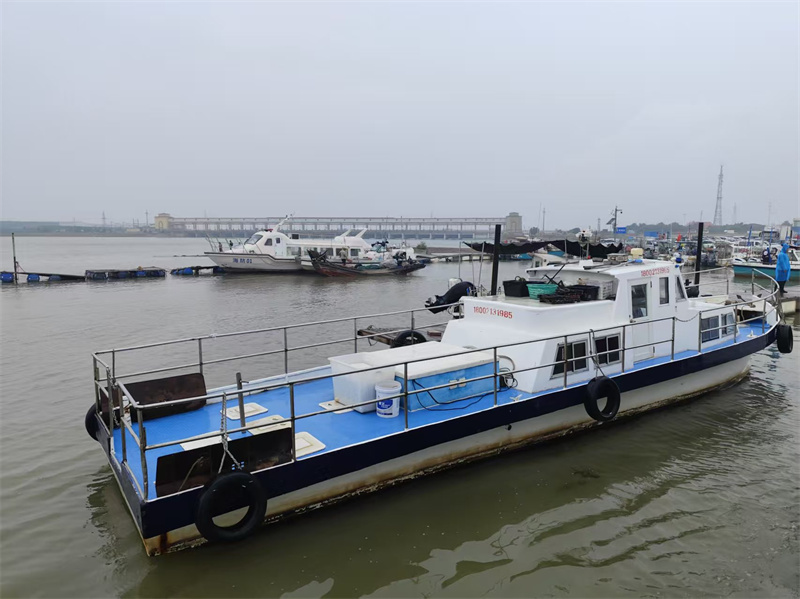
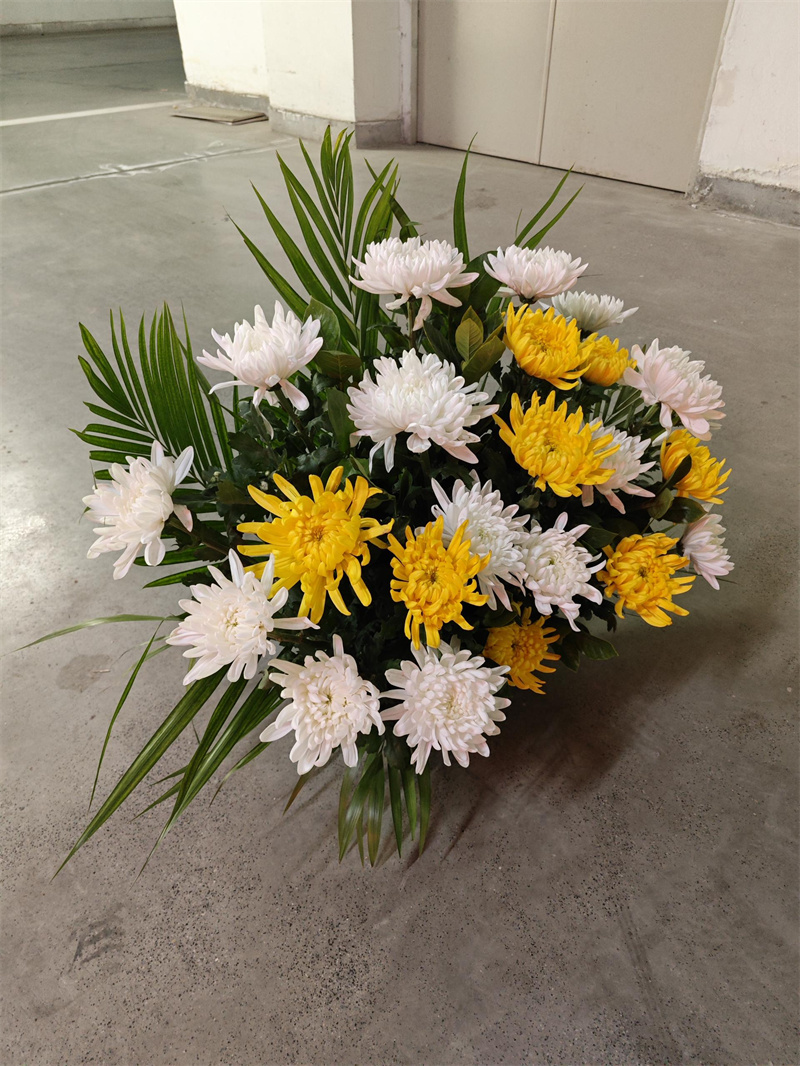
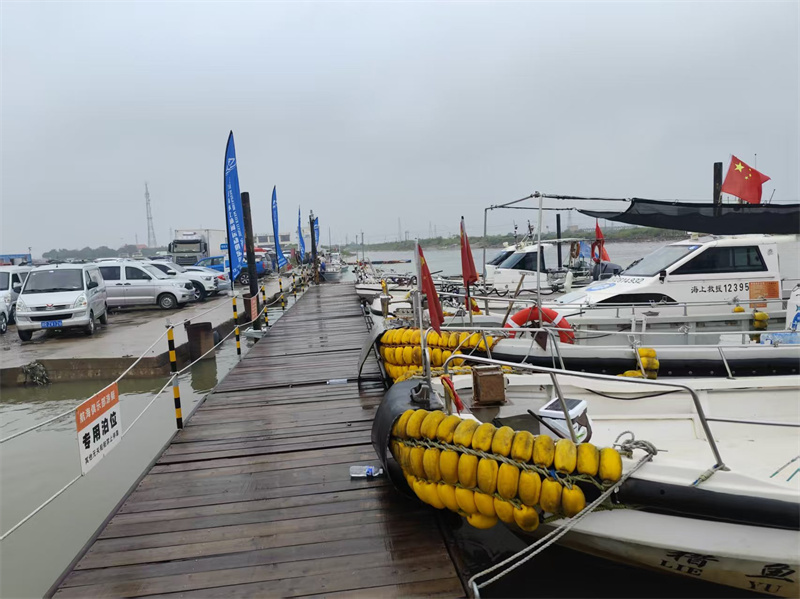
The first time I stood at the edge of the Atlantic, watching my grandfather’s ashes dissolve into the waves, I expected grief to feel like an anchor. Instead, it unfolded like the tide—retreating slowly, leaving behind something unexpected. He’d been a fisherman all his life, his hands permanently salt-cracked, his stories always laced with the creak of boat masts and the glint of silver herring in dawn light. “Bury me in a box?” he’d laughed once, mending a net on our porch. “Let the sea have me. She’s been keeping my secrets since I was sixteen.” That memory returned last month as I stood in a funeral home, staring at a price list for caskets that cost more than my first car. It made me wonder: why do we treat the end of life like a real estate transaction, when the natural world offers such a graceful alternative?
The ocean has always been humanity’s silent collaborator. My grandmother used to say the tides taught her patience—how to wait for what matters, how to release what doesn’t. When we scattered Grandad’s ashes, we didn’t just lose a father and grandfather; we gained a new way to remember him. Last summer, my daughter found a seashell on Cape Cod with a pattern that looked like his laugh lines. “Is this Grandpa?” she asked, holding it to her ear. The ocean doesn’t just hold remains; it holds stories. It turns loss into something tangible, something you can carry in your pocket or hear in the waves on a stormy night. Cemeteries are beautiful, but they’re fixed points in time. The sea is a living archive, constantly shifting and evolving, just like the love we have for those we’ve lost.
I’ve heard the arguments against it, of course. “What about tradition?” a cousin asked when I mentioned my own wishes. “Don’t you want a place to visit?” But I’ve visited Grandad’s “grave” a dozen times since he was scattered—at sunrise on the pier where he taught me to fish, in the spray of the storm that flooded our town last spring, in the way my son now says “ahoy” instead of “hello,” just like Grandad did. Those moments feel more real than any headstone. The ocean doesn’t require upkeep or flowers or a GPS coordinate. It asks only for presence—for us to notice when a wave curls just like his smile, or when the seagulls cry in a rhythm that matches the lullaby he used to sing.
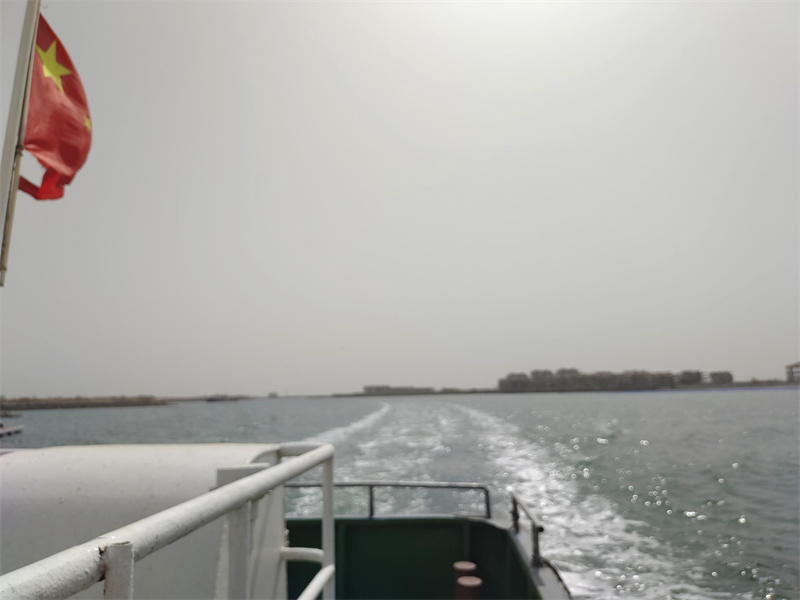
Two weeks ago, I walked along the shore at low tide and found a piece of driftwood shaped like a heart. I thought of all the people whose stories are woven into these waters—the sailors and surfers, the children who built sandcastles and the elders who watched sunsets. We talk about legacy as if it’s something we leave behind, but maybe it’s something we become part of. Grandad isn’t gone; he’s in the current that carries migrating whales, in the salt that crusts my daughter’s cheeks after a day at the beach, in the way I still pause to watch the horizon when I’m feeling lost. The ocean doesn’t end life—it transforms it. And when my time comes, I want to be part of that transformation: not a name on a stone, but a whisper in the waves, a ripple that might one day become a tide.